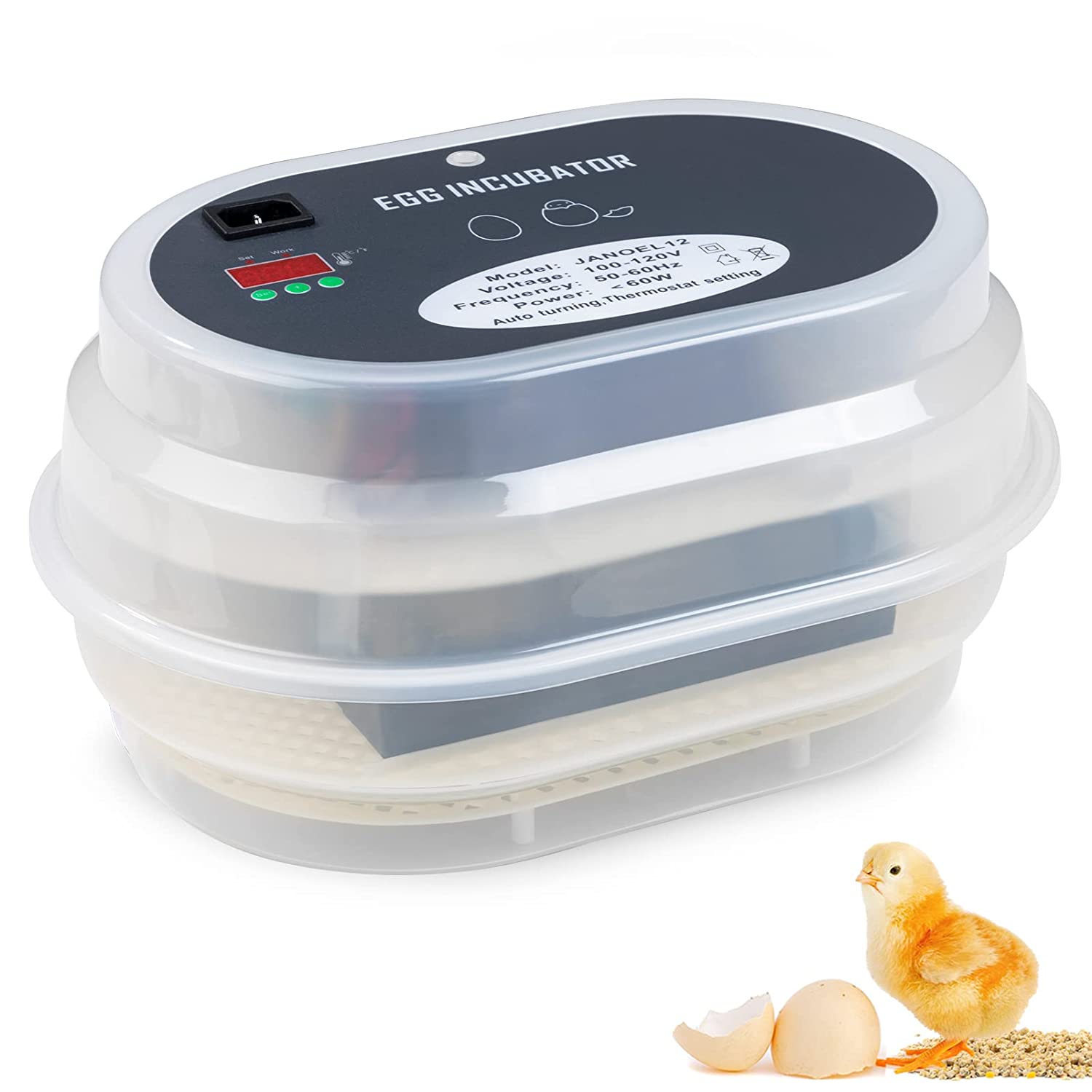
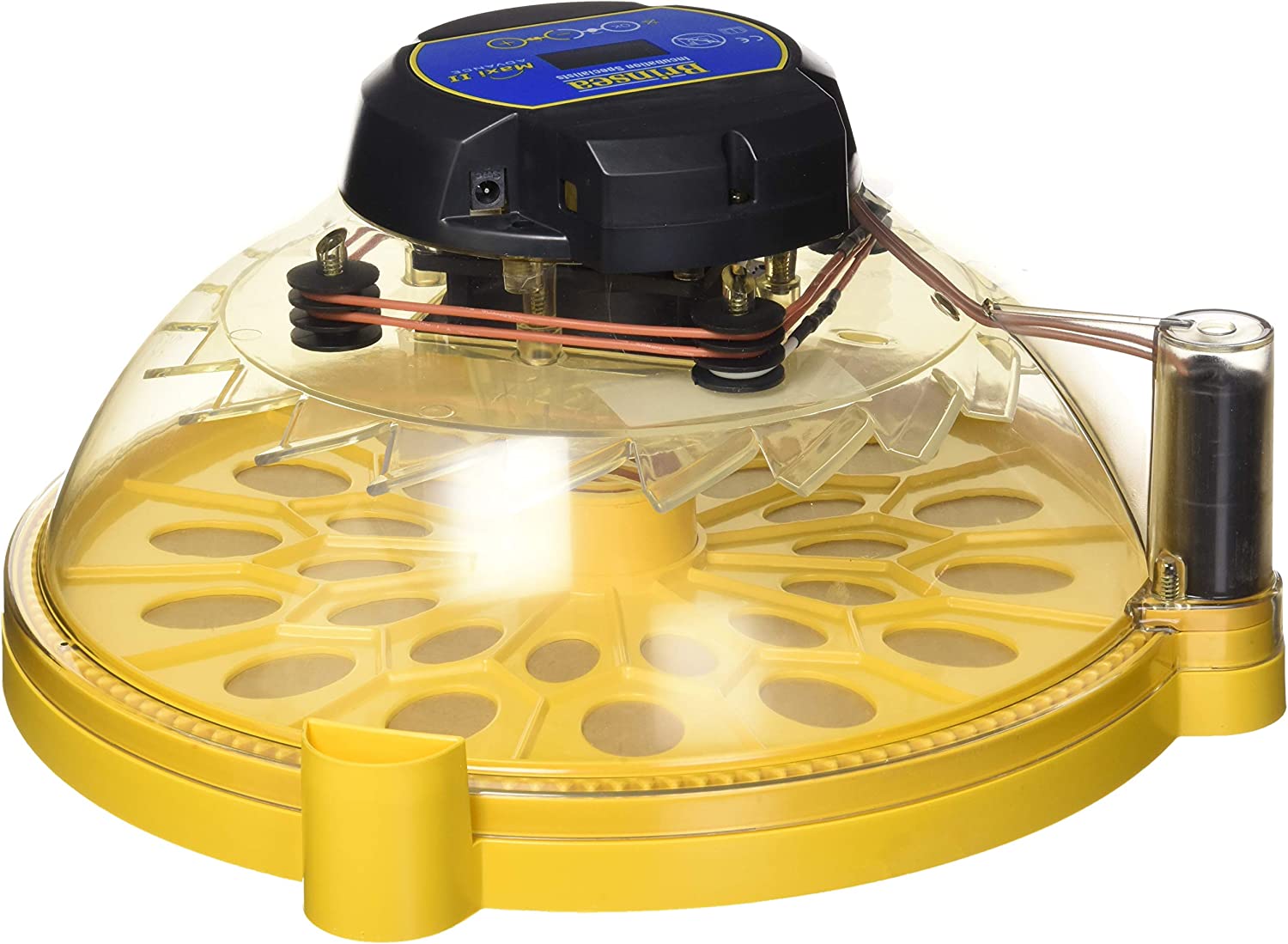
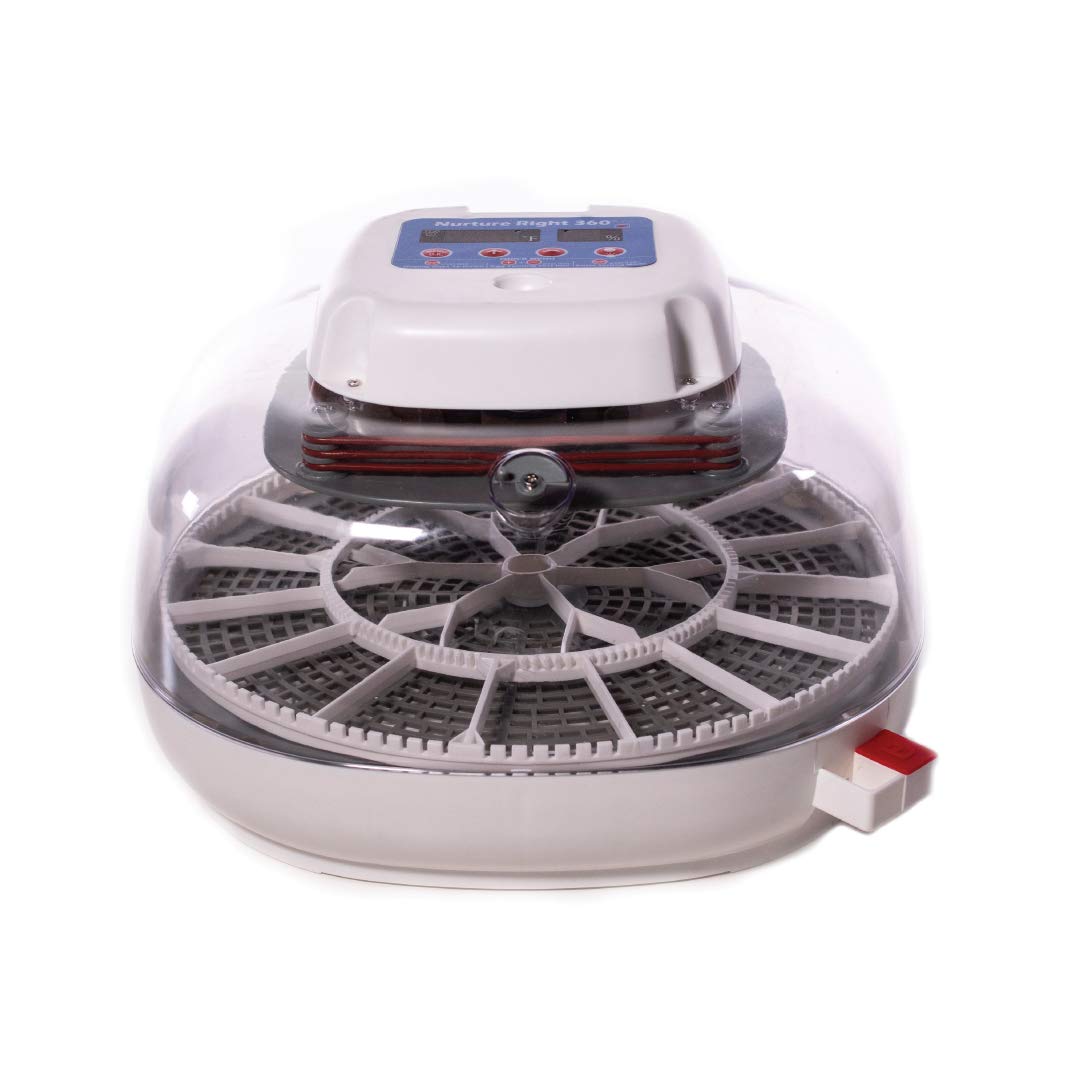
If you like parakeets and you have a pair of these birds at home, it is possible that you are considering breeding parakeets. Breeding budgerigars is one of the most beautiful things that exist and many fans of these beautiful birds embark on this adventure without realizing that it is not something easy to do, especially when using incubators for budgerigars.
Breeding a colony of parakeets requires a lot of work, perseverance and effort. Especially if you want to have many or try to breed different color combinations.
Having already a male and a female, comes the important part: breeding. Budgerigars can breed when they are very young, five months old, but it is best to wait until they are at least one year old. The reason is simple: if they breed when they are young, they can suffer diseases or disorders when breeding. The fertility of the parakeet begins at an early age, and can last up to six years.
Budgerigars can breed at any time of the year, however the best season is spring, when temperatures are neither too cold nor too warm. They should not be molting and should be healthy. It is not recommended that they breed more than three times a year, because they can become exhausted and their offspring may be of inferior quality.
With all this clear, what can be done to motivate budgerigars to breed? Some budgies will breed on their own, but there are some things you can do to help them. For example, they will need something to make their nest, which they make from non-poisonous tree wood, so leaving the twigs inside the cage will motivate them to make one. Another option is to make a homemade one, but this is something that budgies do not like very much, so it is best to let them do it themselves.
Once they have the nest and the couple is in it, during their mating season the courtship will begin and after three or four days the copulation. After that, the female will spend all day in the nest until the first egg is laid. The eggs are laid on alternate days and average about 6. Once all the eggs are laid, the female will incubate them for about 18 days. Since there has been a difference in laying between each egg, new chicks will hatch every two days.
During the time that the little ones are growing, it is normal for budgerigars to be quite protective, so it is best to only change their water and food during this stage. They may even attack if someone gets too close to their young.
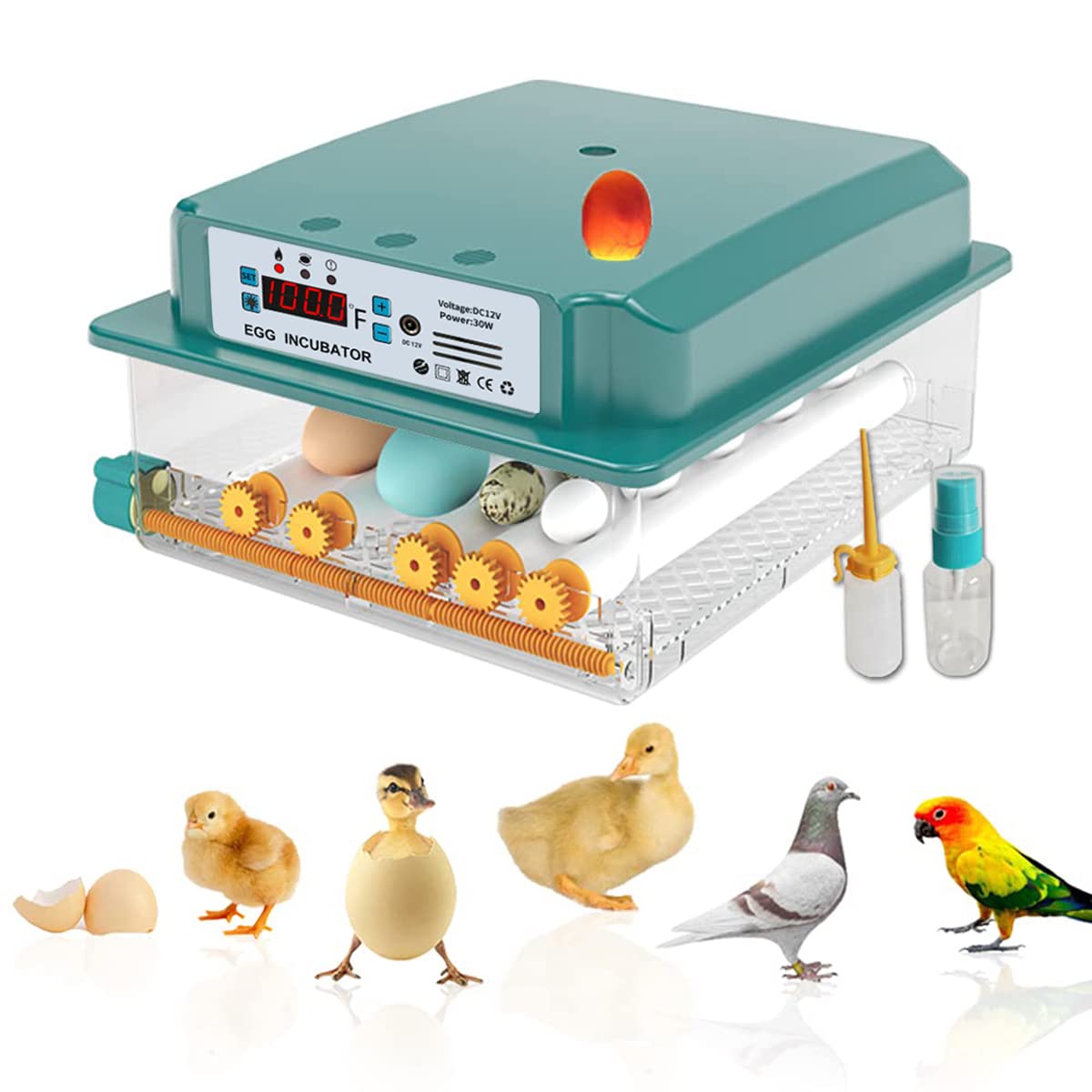
Many times people carefully attend to the incubation process but do not take into account the care of the eggs before placing them in the incubator and at this point it does not matter that it is an automatic incubator specially designed for budgerigars. Before incubation begins, the embryo inside the budgie egg is developing and needs proper care. If fertile eggs are not properly cared for, you may have a lower hatching percentage.
The physical factors necessary for successful incubation are temperature, humidity, ventilation and egg turning primarily. An optimal and uniform temperature, together with the humidity inside the incubator for budgerigars are the most important factors to take into account to achieve the best results.
Temperature: it should be between 37º and 37.3º Celsius. They recommend the lowest for pink cockatiels and the great variety of Australian parakeets (nymphs, rosellas, ...) and the highest for the rest.
Relative humidity: normally it will be in the range of 40-60%. But depending on the relative humidity of the environment and the desirable value of weight loss during the whole incubation, since it is not the same to incubate parakeet eggs than hen eggs, so this factor should be adjusted.
Frequency of turning: For the embryo to develop properly, the egg must turn and rotate. The turning angle will vary from 45º to 180º, as well as the frequency, which will vary from 8 times a day to once every hour.
Ventilation: since the eggs during their development obtain oxygen from the outside and emit a series of gases, it is very important that they have a stable source of air at all times, which also helps to distribute the heat evenly.
Beginners in breeding parakeets are generally interested in artificially incubating their own eggs to ensure a larger number of birds. The success of this project will depend on the proper care and fertility of the eggs in possession in order to obtain strong and healthy offspring.
Select eggs from budgerigars that:
1. are developed, mature and healthy;
2. have been fertilized by the male parakeet and have produced a high number of fertile eggs (i.e., have achieved more than 75% hatching in relation to the number of eggs they attempted to incubate);
3. they have no symptoms of stress and the process of mating with the male was not forced;
4. have a correct and healthy diet, as well as a good state of health at the time of egg laying.
5. have not been mounted by male parakeets of their own family (inbreeding).
Avoid eggs with cracked or thin shells. These eggs will have problems with moisture retention and hinder proper hatchling development. Penetration of pathogenic bacteria increases in cracked eggs.
Do not incubate deformed eggs. Keep only clean eggs for hatching. Do not wash dirty eggs or wipe clean eggs with a damp cloth. This removes the protective coating from the egg and exposes it to the entry of bacteria. The washing and scrubbing action also causes microorganisms and diseases to enter through the pores of the shell.
We recommend the purchase of an automatic incubator, to avoid mistakes during the incubation process, since they have everything necessary to obtain a high percentage of hatching.
* All incubators may have malfunctions, so you should never leave the incubation process of the eggs unattended, as well as collect daily statistics of the process, thus ensuring the success of future offspring.
* The best parakeet incubator is the experience of the breeder.
Designed with Mobirise
Best HTML Site Creator